June 22, 2026
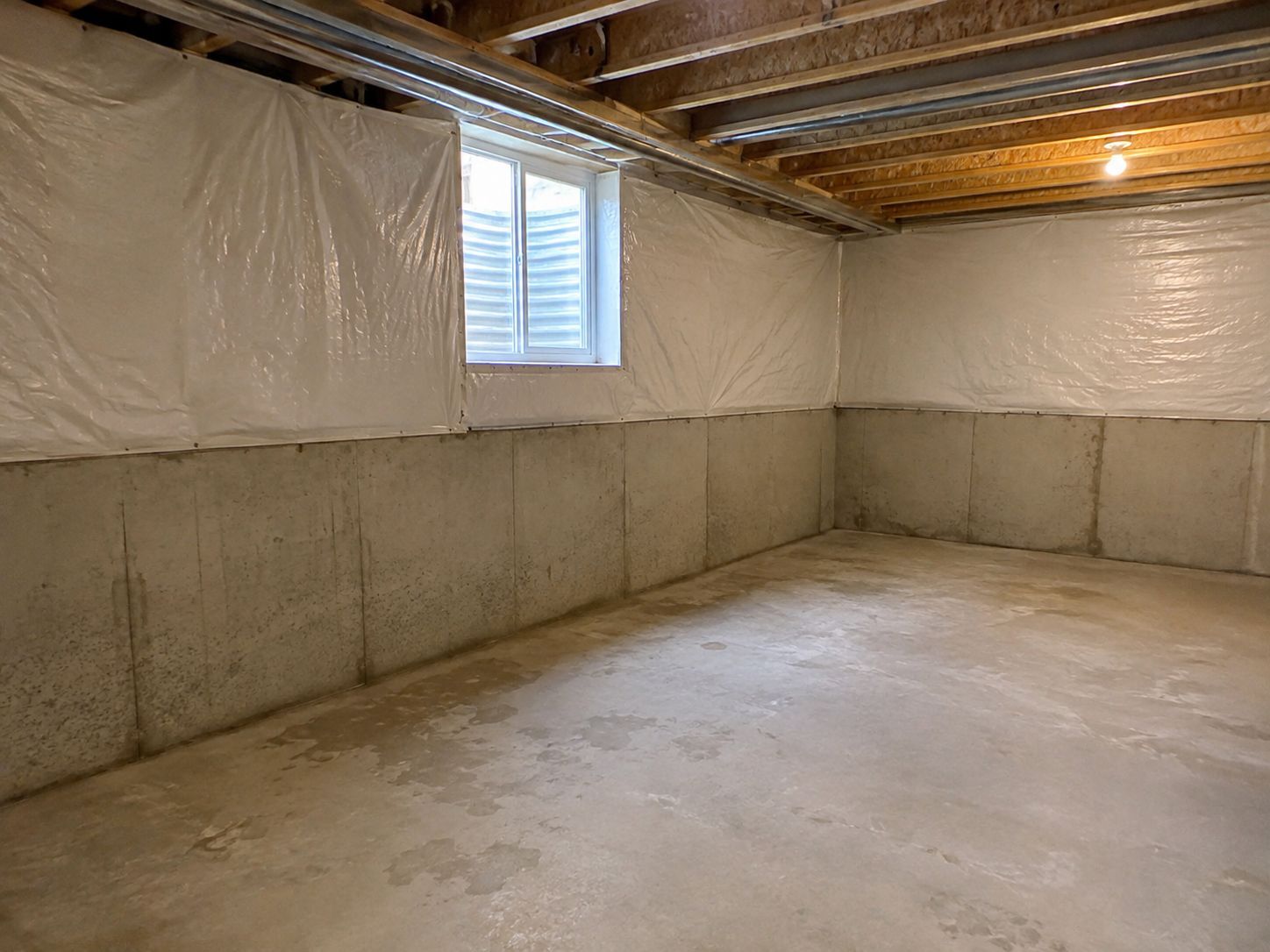
You finally decided the basement is going to stop being a storage dump and start being a real part of the house. Maybe it is a playroom for the kids, a home office so you can close a door during calls, or a guest suite for the in-laws who visit every February. Whatever the goal, you are standing at the top of the stairs looking down at a blank concrete box, and you need a plan that actually holds up once framing starts.
The single most important thing to get right before any framing goes up is your zone layout. Homeowners who skip that step almost always end up with rooms that feel too tight, ceiling heights that surprise them midway through framing, or egress situations that do not meet Colorado code. After working through hundreds of basement finishes across the Brighton and Denver metro area, the pattern is consistent: the families who are happiest with their finished spaces spent real time on the layout before anyone picked up a nail gun.
Start with What Colorado Code Requires Before You Design Anything
Colorado's residential building code sets hard minimums that shape every layout decision you make. Finished habitable rooms must have a minimum ceiling height of 7 feet over at least 50 percent of the floor area, with no finished point dropping below 5 feet. Sleeping rooms require an egress window with a minimum net clear opening of 5.7 square feet, a sill height no more than 44 inches from the finished floor, and a minimum opening width of 20 inches.
In the Denver metro, many homes built before 1985 have basement rough-ins that sit right at or just under the 7-foot threshold after you account for a dropped ceiling or mechanicals. That 3 to 4 inch difference between the existing slab-to-joist measurement and what code requires changes whether you use a suspended ceiling or drywall, and it affects your whole room layout.
TIP: Before sketching a single room, measure from the top of your concrete slab to the bottom of the lowest joist, beam, or duct run in each zone. Write those numbers down. They will determine ceiling type, which rooms can go where, and whether any structural modifications are needed before framing begins.
Map Your Mechanical Zone First
Every basement layout starts with what you cannot move. Your furnace, water heater, electrical panel, sump pit, and any radon mitigation equipment all need accessible, code-compliant space. In Colorado, the IRC requires a minimum 30-inch wide working clearance in front of your electrical panel and unobstructed access to your furnace and water heater for service.
The mechanical zone usually anchors one corner or wall of the basement. Once you have defined it with at least 36 inches of clear service access on the most-used sides, you have established the boundary from which the rest of the layout flows. Trying to design rooms first and then fit mechanicals in later is the most common sequencing mistake we see, and it leads to awkward closets, borrowed headroom, and walls that cannot be insulated properly.
In Brighton and the surrounding Adams County area, many homes have radon mitigation systems that run a PVC pipe up through the basement slab and out through the roof. That pipe location is fixed, and any wall layout needs to account for it. Some homeowners try to hide it inside a wall cavity without leaving a cleanout access point, which creates a code problem during inspection.
Zone Your Layout Around How the Space Will Actually Be Used
Once mechanicals are locked, divide the remaining square footage into functional zones before naming any specific rooms. Think in categories first: living and entertainment, sleeping or private space, utility storage, and wet areas if you are adding a bathroom.
Living and entertainment zones benefit from being positioned toward the front of the house where natural light from egress windows is most accessible. In a typical 1,200 square foot basement, this zone works best at 400 to 500 square feet to give enough room for a sectional sofa, a media wall, and some circulation space without feeling crowded.
Sleeping zones must meet egress requirements, so they need exterior walls with window wells. If your basement has windows on only one side of the house, that wall controls where any bedroom or sleeping area can be located. Do not fight this constraint. Work with it by clustering the bedroom near that wall and routing the bathroom to the adjacent space.
Wet areas need to land within a reasonable distance of your existing plumbing rough-in to control costs. Every foot you move a bathroom away from the existing drain stub requires additional below-slab trenching. In Denver's clay-heavy soils, that trenching work takes longer and costs more than in areas with sandy or loam soils, and it is a factor worth discussing with your contractor before finalizing the layout.
Storage zones often get squeezed last, which is a mistake. A basement without dedicated, enclosed storage almost always ends up with items piling in corners within the first year. Budget at least 80 to 100 square feet for a proper storage room with shelving. Families with kids or outdoor gear in Colorado's four-season climate consistently wish they had planned this larger.
How We Approach Layout Planning on an Actual Job
On a typical basement consultation, we start by walking the space with a laser measure and logging every fixed point: panel location, rough-in coordinates, beam positions, window locations, and sump pit. That takes about 20 to 30 minutes in an average 1,000 square foot basement.
From there, we draft a zone diagram before any room labels go on. We mark mechanical clearances first, then egress constraints, then wet area proximity to rough-ins. What is left is the workable canvas. Most families find they have more usable space than they thought once the constraints are visible.
Per Colorado's residential code, any new bedroom in a basement finish requires a permit, an egress window inspection, and smoke and CO detector placement. We see inspectors in Jefferson County, Adams County, and Broomfield County most commonly flag missing CO detector placement and egress windows that meet the opening size but not the sill height requirement. Both are easy to address in the framing stage and expensive to fix after drywall.
Maintenance and Long-Term Considerations for Your Finished Basement
Annually: Inspect your sump pump operation before spring snowmelt in March and April, when Colorado sees its highest basement moisture events. Test the float, check the discharge line for freeze blockage, and confirm the battery backup is charged.
Every two to three years: Reseal any penetrations through the foundation wall where utility lines enter. Colorado's freeze-thaw cycle causes minor shifting that can open small gaps over time.
Long-term: If you added a bathroom, have a licensed plumber inspect the below-slab drain lines every 10 to 15 years. Brighton's soil expansion rates put more stress on below-grade plumbing than flat-terrain markets, and small root intrusions or joint separations are easier to fix early.
Expert Basement Finishing Guidance From Our Colorado Team
A basement layout that holds up over time is one that respects the fixed constraints first and builds the wishlist around them, not the other way around. In Brighton, Denver, and the surrounding Front Range communities, the combination of older construction, varying ceiling heights, and Colorado's egress and radon requirements means a layout that works in one home will not automatically translate to another.
At Basements and Decks R Us, we have been finishing basements across Brighton and Denver, Colorado Area for over 20
years. We walk through every layout with you before a single permit is pulled, so you understand what the space can realistically hold and where the opportunities are to get the most out of your square footage. Reach out to Basements and Decks R Us
to schedule a layout consultation and get your basement finish moving in the right direction.
Frequently Asked Questions
How much does it cost to finish a basement in Denver or Brighton, Colorado?
Basement finish pricing varies by scope across the Denver metro. Key variables include bathroom plumbing, egress window installation, and ceiling height modifications. Get an itemized estimate separating framing, mechanical, electrical, and finish work. That breakdown makes comparing bids accurate and prevents surprise charges during construction.
Do I need a permit to finish my basement in Colorado?
Yes, any basement finish adding a bedroom, bathroom, or habitable square footage requires a permit. Brighton, Commerce City, and Denver each run their own submittal and inspection process. Skipping permits creates title problems at resale and can require costly demolition. Budget 2 to 4 weeks for permit review.
Can I add a bathroom to my basement if it does not already have plumbing rough-in?
You can, but it requires cutting the concrete slab to trench new drain lines to your sanitary stack. Denver clay soils make this a half-day to full-day job. If a rough-in stub exists, installation is far simpler. Plan bathroom placement to minimize trenching distance wherever possible.
How do I know if my basement ceiling is high enough to finish?
Measure from the concrete slab to the lowest obstruction in each room zone. Habitable rooms require 7 feet of clearance over at least half the floor area. Beams, ducts, and pipes can drop lower outside primary use areas. A suspended ceiling gives more flexibility than drywall around obstructions.
Is a basement bedroom safe in Colorado, and what do I need for it to meet code?
A basement bedroom is safe when built to code. Colorado requires an egress window with 5.7 square feet net clear opening, a sill no higher than 44 inches, a hardwired smoke detector, and a CO detector nearby. Radon testing before and after finishing is strongly advised given Colorado geology.